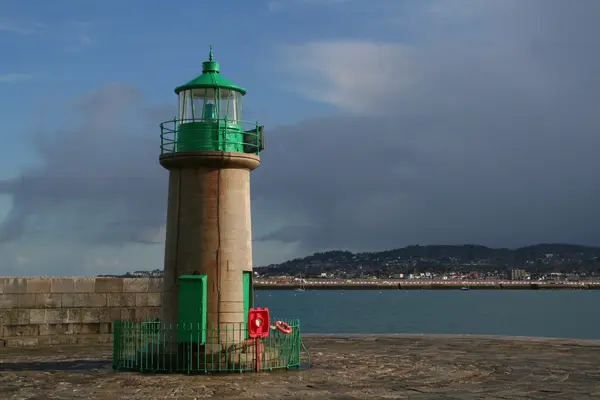
Rooms to Rent in Dublin by Area
Looking for a room to rent in Dublin? The area you choose shapes your commute, your budget and the kind of household you end up in. Dwelles brings together rooms in house shares, flat shares and spare rooms across the city and county, so you can compare neighbourhoods before you decide where to live.
Dublin addresses are organised by postal district. As a general rule, odd numbers such as Dublin 1, 3, 7 and 9 are on the Northside of the River Liffey, and even numbers such as Dublin 2, 4, 6 and 8 are on the Southside. Dublin 6W was created in 1985 for areas such as Terenure, Kimmage and Templeogue, and the main exceptions to the rule are the Phoenix Park, which is in Dublin 8, and Chapelizod, which is in Dublin 20. Towns in the wider county, such as Dún Laoghaire, Lucan and Swords, use Eircode routing keys like A96, K78 and K67 instead of a district number.
Living near rail makes life easier. The Luas Red line runs east to west from the Docklands to Tallaght and Saggart, the Green line runs north to south from Broombridge to Brides Glen, and the DART follows the coast from Howth and Malahide to Bray and Greystones. Commuter trains head towards Maynooth, Kildare and Drogheda, and buses cover the rest of the city, organised by BusConnects into spine and orbital routes. One TFI Leap card works across buses, the Luas, the DART and commuter trains.
Each area guide below covers the postcode, the local council and public transport, what the neighbourhood is like and who it suits, alongside live listings. Pick an area to see rooms available right now, or browse every Dublin listing in one place.
Choose an area

Dublin City Centre
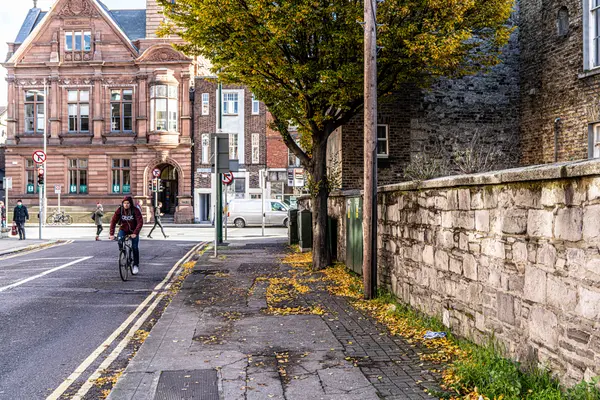
Rathmines
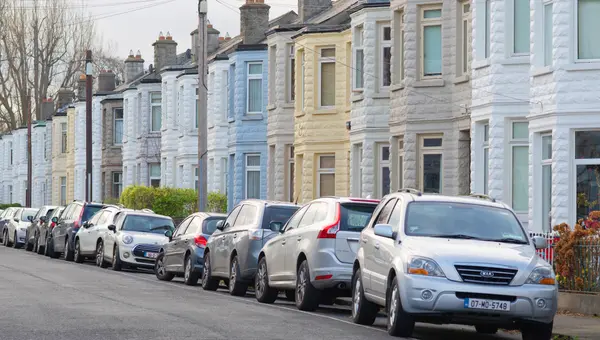
Ranelagh
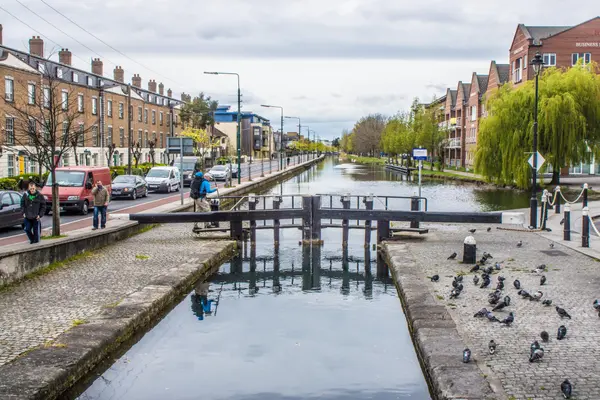
Portobello
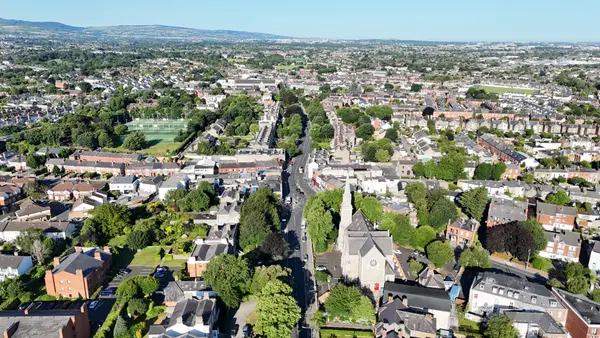
Rathgar
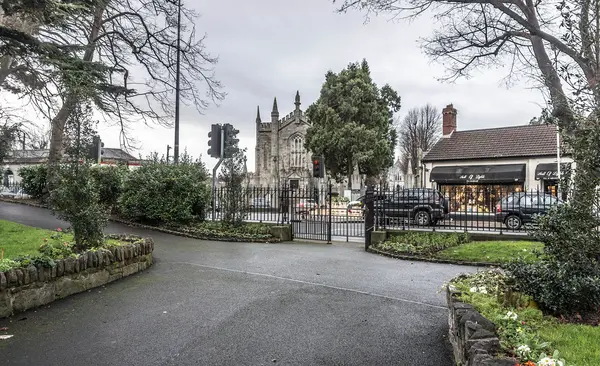
Harold's Cross

Grand Canal Dock
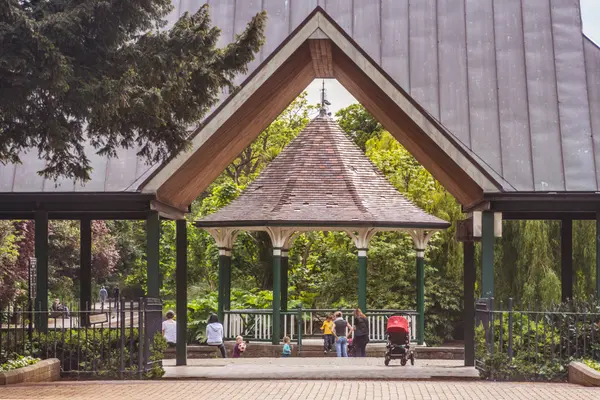
Ballsbridge
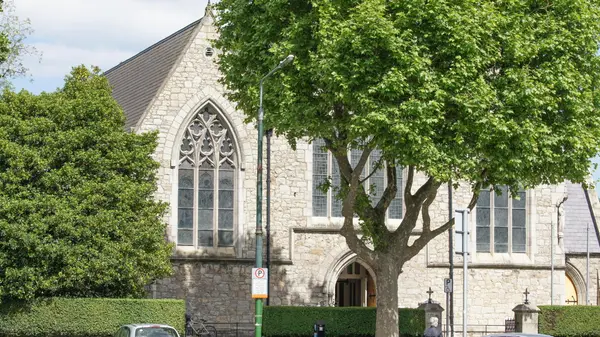
Sandymount
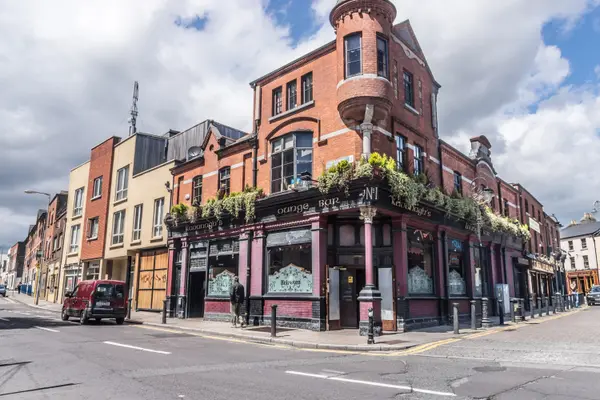
Stoneybatter
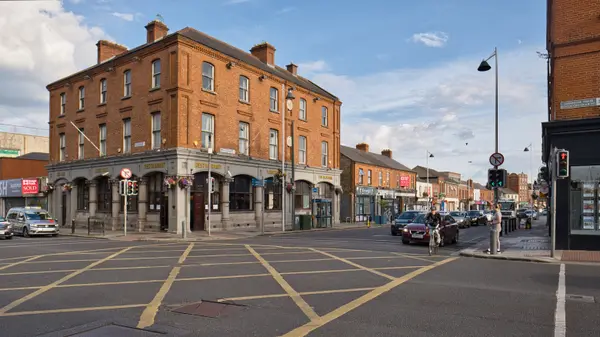
Phibsborough
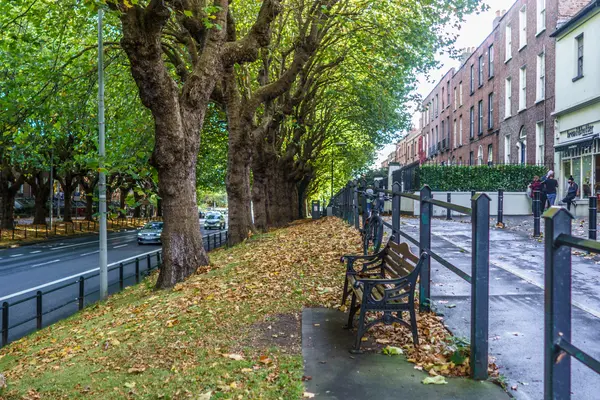
Drumcondra
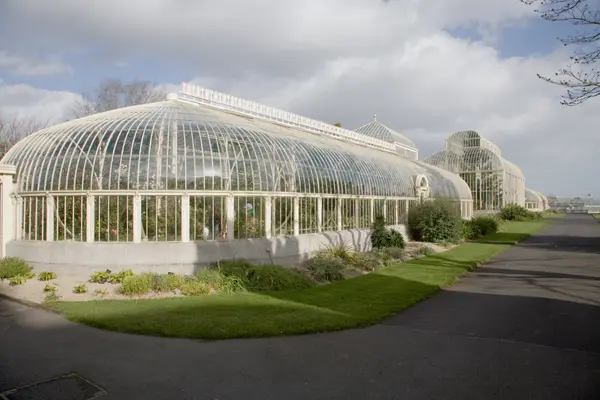
Glasnevin
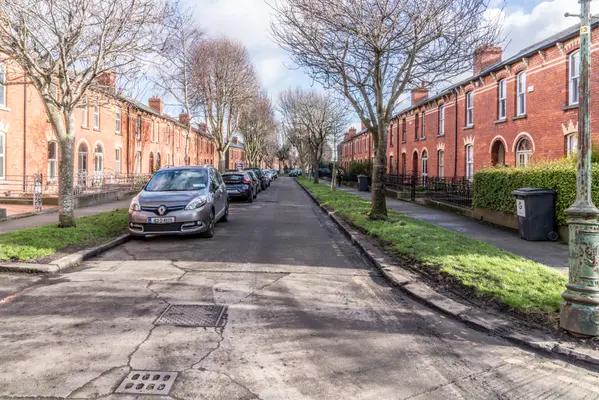
Cabra
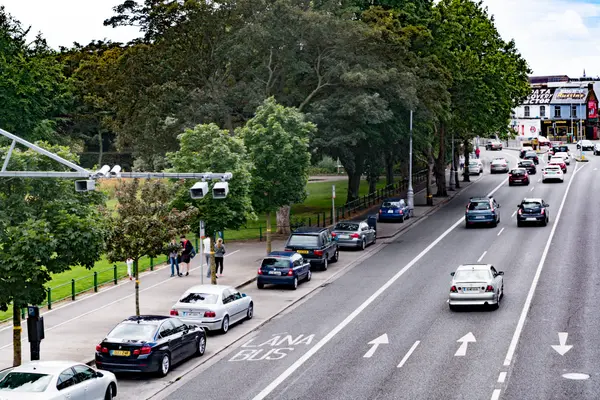
Fairview
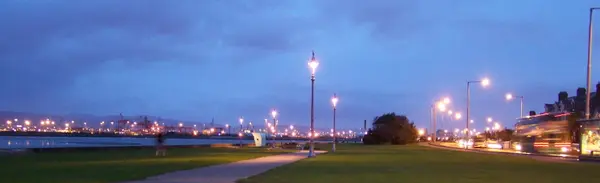
Clontarf
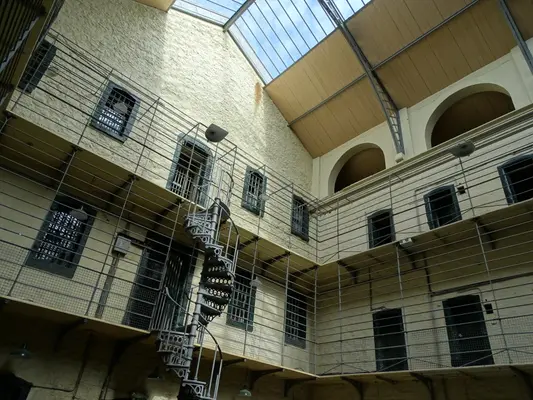
Kilmainham
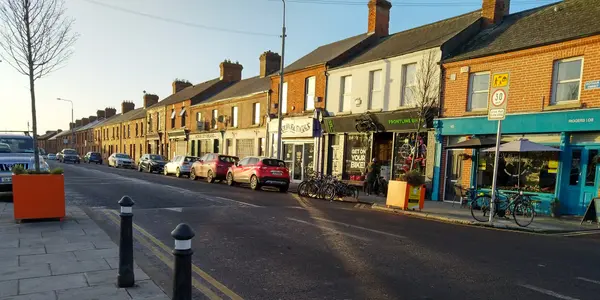
Inchicore
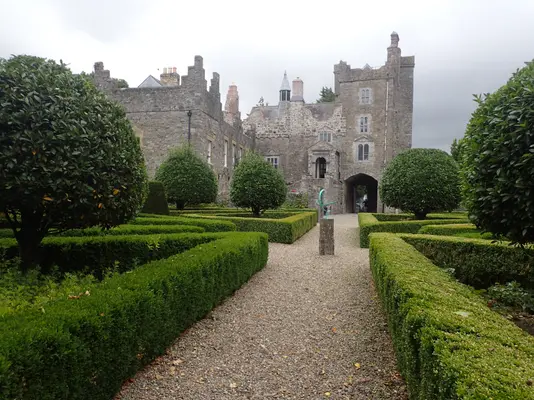
Drimnagh
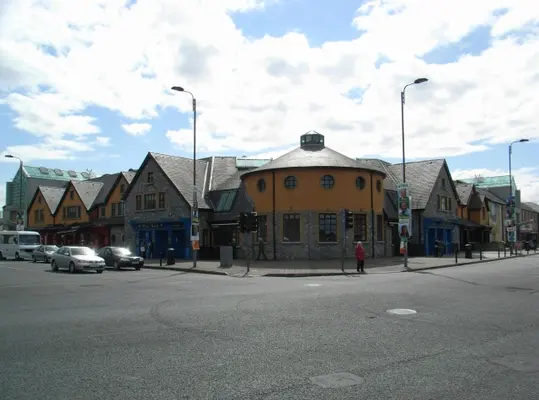
Crumlin
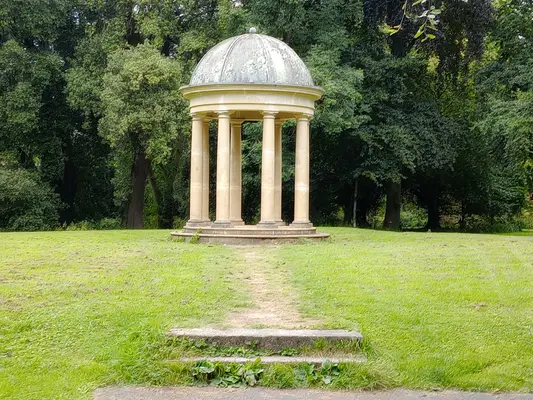
Santry
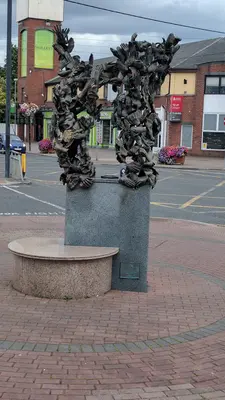
Finglas
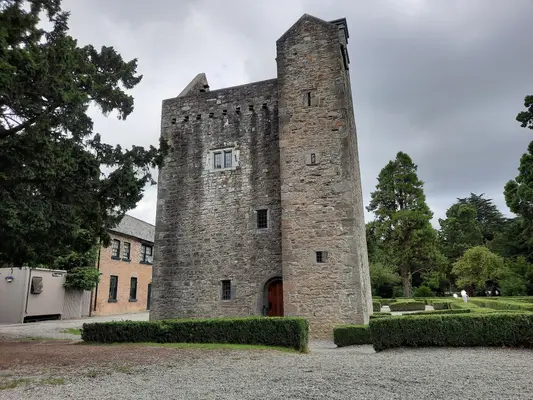
Ashtown
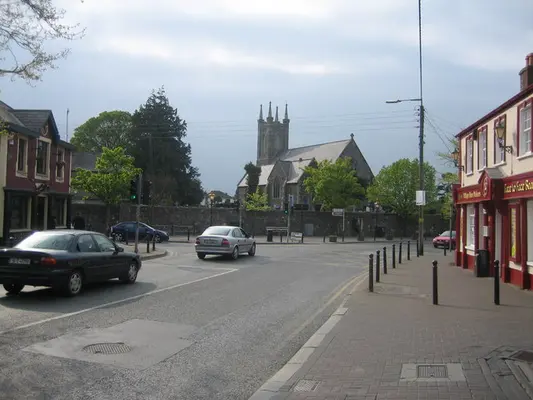
Castleknock
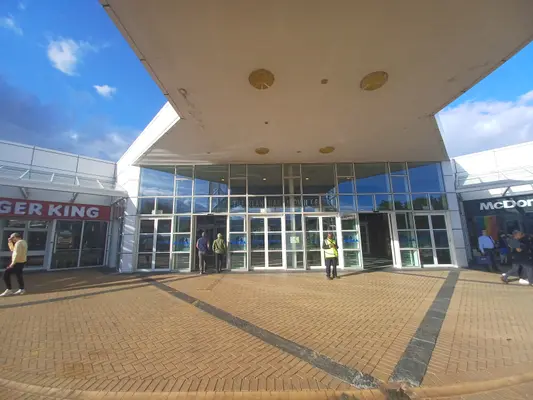
Blanchardstown
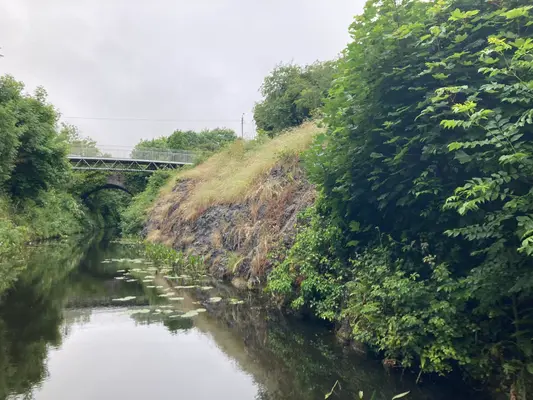
Clonsilla

Swords
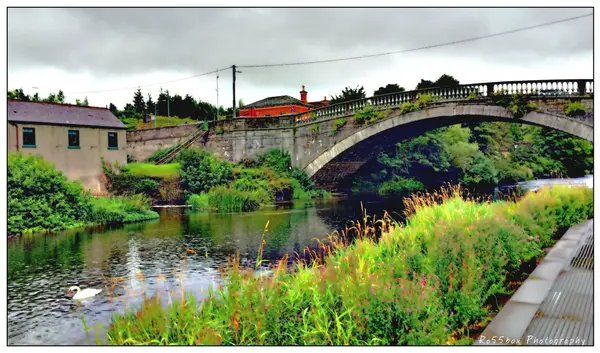
Lucan
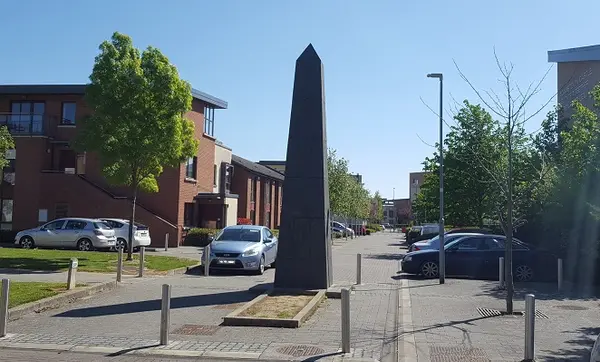
Adamstown
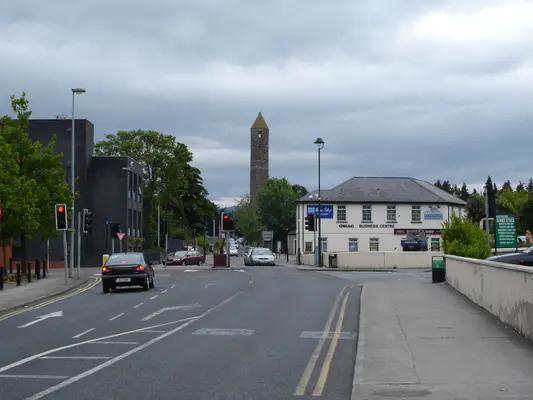
Clondalkin
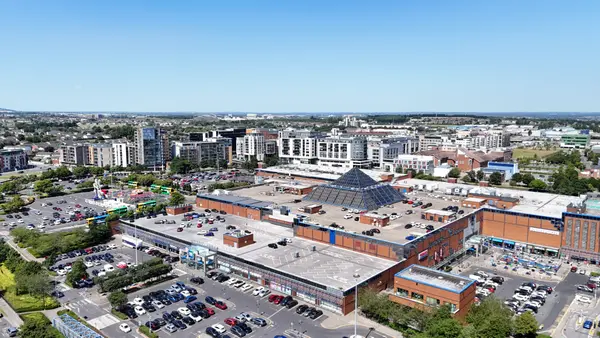
Tallaght
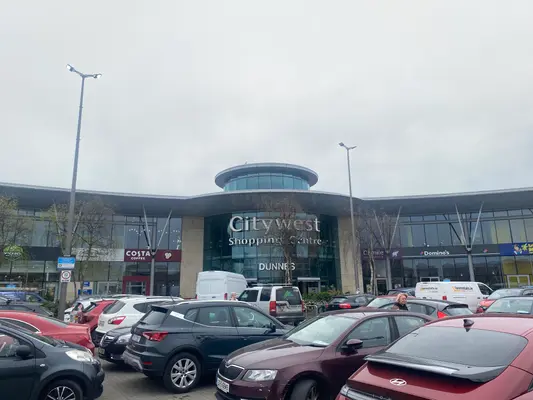
Citywest
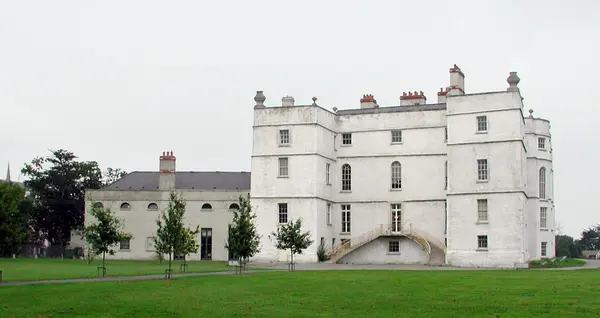
Rathfarnham
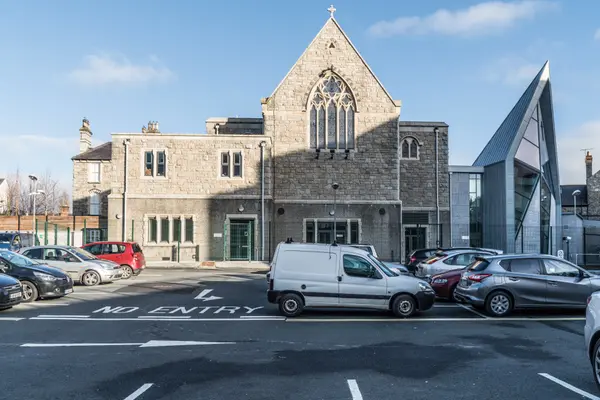
Dundrum
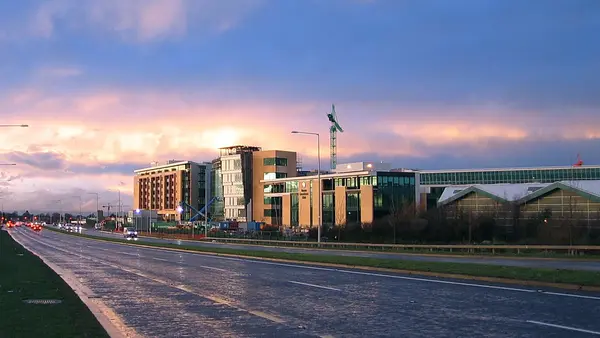
Sandyford
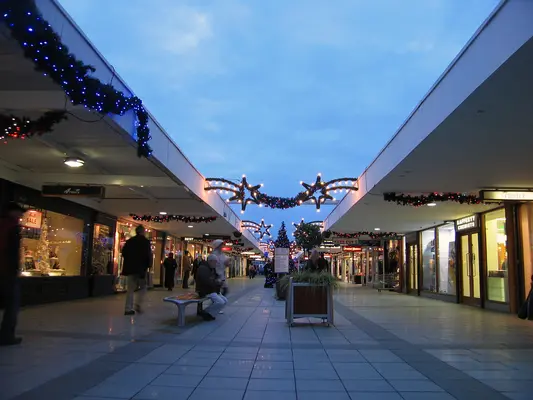
Stillorgan